Featured Articles
All Stories
Posts tonen met het label success. Alle posts tonen

zaterdag 8 oktober 2016

Managing My Depression Is a Constant Struggle. Here's What's Helped

BY JOHN ROMANIELLO


We throw the word "depression" around a lot. That's the unfortunate truth. We use it to describe a weeklong period of sadness after a breakup or a few days of feeling bad when things aren’t going our way. I don’t mean to trivialize those experiences or emotional hardships. But being sad is not the same as being depressed—that’s only the smallest part of it.
Depression is about feeling trapped by overwhelming unhappiness, completely surrounded by an impenetrable fog of misery, and a general acceptance of the idea that it will never go away.
Winston Churchill called depression “the black dog.” His reasoning was simple: Like a hunting dog, it would always be nipping at his heels, following him. For some people, the black dog is omnipresent. For others, like myself, depression comes and goes—but even when you’re not suffering, you’re always aware of the black dog off in the distance, waiting to close in. This is an uncomfortable thought to which one must adapt: Even when you’re not depressed, you’re afraid of depression.

In My Case

When I say I’ve suffered from “debilitating” depression, I mean exactly that: I’ve had long periods of time (three months or more) when getting out of bed was the only thing I could accomplish each day. And sometimes that was a stretch.

There have been times when I would break down and cry for seemingly no reason or randomly snap and put my fist through a window before I could rein in my temper. There were months when I hid from friends and family, pretending everything was fine and that I was too “busy” to see them while sitting alone in the dark. More often than I care to admit, there were times when I needed to be working on some massive project, but instead would spend a weekend watching an entire season of some TV show I’d already seen.
That’s what depression is like for me: a general inability to perform. And with it, a feeling of shame and guilt for not being able to do so, compounded by the ever-growing anxiety of deadlines.
In many ways, being truly depressed is sort of like being immunocompromised: It weakens you emotionally and psychologically, wears you down to your bones—and suddenly, things that would not normally affect you or which you could fight off with ease overwhelm you. When I’m depressed, I’m infinitely more susceptible to things like guilt, fear, shame, and regret. I’ll dwell on mistakes I made years ago and think about all of the ways I could have done things differently. I’ll feel ashamed of myself and my actions or inaction—and actively fantasize about the ways the lives of everyone around me would be better if I were simply not there.
Small setbacks seem like incomprehensible obstacles. Tiny transgressions seem like reasons for justifiable homicide.
Small setbacks seem like incomprehensible obstacles. Tiny transgressions seem like reasons for justifiable homicide. Mustering up the energy to shower sometimes takes days. Sleep comes unbidden or not at all. Training is half-hearted at best. Food turns to ash, and everything that isn’t made of chocolate seems to be made of cardboard. Life is pretty sh*tty.

Coming Out the Other Side


Since I’m clinically depressed and not bi-polar, I don’t have cycles of depression alternated with extreme mania. I just have periods of being depressed and periods of being a relatively normal human being. Most of the time I’m fine and happy and productive. I’m typically brash, boisterous, happy-go-lucky. I’m friendly and goofy and annoyingly passionate about love and life and sex and food and literature and music.
But depression doesn’t really follow any schedule or come at predictable intervals. Things just start feeling awful, and then they feel worse. And then you sort of get used to feeling awful. And then maybe things change a bit.
There is no massive change, no celebratory event, no clear signal that the storm has passed. Things just slowly get better. Day by day you’re able to function just a little bit more.
There’s an old saying about the month of March: It comes in like a lion and goes out like a lamb. Depression, then, is the March of your emotional calendar. And like March, it strikes suddenly and takes over absolutely everything. When it fades, it’s gradual. There is no massive change, no celebratory event, no clear signal that the storm has passed. Things just slowly get better. Day by day you’re able to function just a little bit more. And then one day you look up and realize you’re doing pretty well. Things seem less gray, and the world seems to offer reasons to keep living.
And there are reasons—thousands upon thousands of reasons. And they’re all around you. You just need to wait things out long enough for the veil to lift so you can see them. Now let’s talk about how to do that.

How I’ve Coped

Therapy and medication are viable options for treatment, as are other less clinical approaches: meditation, exercise, certain dietary changes. All of them work in their own way. While I dislike medication, I admit that antidepressants, taken in moderate doses for short periods of time (8 to 12 weeks), have seemed to get me through the hardest times.
Whether you find yourself besieged by depression and/or thoughts of suicide, or you know someone who may be in distress, I’d like to provide some other resources that have helped me.


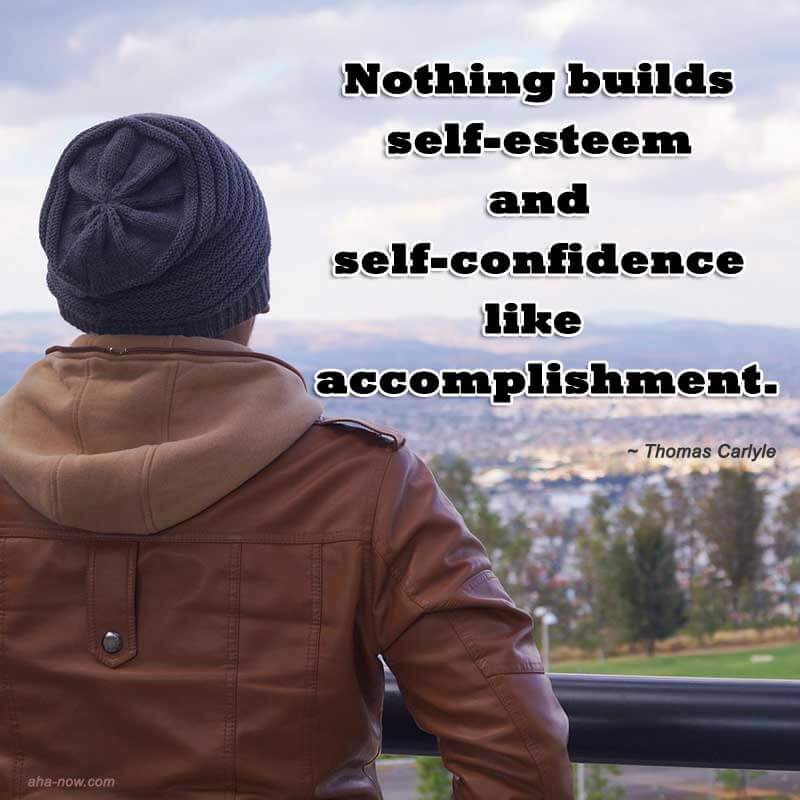

1. Pick up the phone.

If you’re actually considering suicide, please call the National Suicide Prevention Lifeline immediately: 1-800-273-TALK (1-800-273-8255).

2. Educate yourself.

If you’re exploring depression from an academic perspective and trying to figure out how the pieces fit together in your particular emotional landscape, I encourage you to spend some time reading the following articles:
Some Practical Thoughts on Suicide, by Tim Ferris
This amazing series on The Art of Manliness, collectively titled Leashing the Black Dog:

3. Do nothing; be silent; be still. Breathe.

Take a moment and try to take the long view.
Perspective is important because chances are whatever fresh hell you’re experiencing is a temporary thing. Eventually you’re going to feel better—or at least, less awful. Your experience of depression, however powerful, is an exercise in exposure to the impermanence of humanity—and there is simply no real upside to facilitating death with suicide. Because once you’re dead, that’s it. Game over.

While I admit that the idea of committing suicide might occasionally reach out to the tortured artist in me, the pragmatic side of my personality rails against the thought. Because suicide is permanent—and ultimately robs the world of whatever contributions you may make in the future. What if Hemingway killed himself before The Sun Also Rises? Or The Old Man and the Sea?

While I cannot claim any Pulitzer Prize-winning manuscripts, in my own small way, I change lives. I have a file on my computer of emails filled with several hundred notes from people who have said my work has changed their lives; those are lives I would not have had the chance to change had I checked out years ago. To me, that is a reason to keep living.

4. Take control.

I’ve come to believe that suicide is an attempt to feel in control, and both depression and anxiety result (in part) from feeling out of control. So take control—of something, anything.
Take control of your body. Cut your hair. Get a tattoo. Sign up for a transformation challenge. You’d be surprised how this can help. (I am endlessly surprised by how many of my clients tell me they were suffering from depression before starting their fitness journey.)
Take control of your environment. Change something. Devote five minutes a day to imposing your will on something external. There have been some surveys that suggest that something as simple as making your bed every morning can mitigate the symptoms of depression.
Take control of your mind. Meditate. Read. Write. Examine. Discuss. Whatever seems interesting to you, dive into it and allow it to eat up some of the energy the black dog is trying to siphon from you. I have a friend who was experiencing intense feelings of anxiety and who decided to address it by taking control of his inbox. He made it a game to see how many things he could unsubscribe from or delete in a single day then tried to beat it the following day; within two weeks, he was at inbox zero—and he said that helped.

5. Do less.

A big part of feeling out of control is simply feeling overwhelmed. If you have too much sh*t to do and your ability to produce is already hampered by your emotional state, then you’re not going to get it all done. Trust me, this will push you further in depression.
If you can eliminate something, do it. Do less. Say no to as much as you can. Push off any obligations or projects that aren’t immediately urgent. Delegate things to other people, and actually allow them to help you.

6. Ask for help.

This is the hardest thing of all but also the single most important—and the most beneficial. If you’re anything like me, you feel deep shame about asking for help and more so about needing help.
I find it almost impossible to look back now and get into the mind of the person I was in those moments—but I do know that I did not allow myself to ask for help.
I’ve had three actual suicide attempts: two of which I can say in retrospect were more a cry for help (ironic, as I never told anyone about them), and one that qualifies as what mental health professionals label a sincere attempt. I find it almost impossible to look back now and get into the mind of the person I was in those moments—but I do know that I did not allow myself to ask for help.
What I’ve come to believe is that suicide is something that is contemplated for extended periods of time— yet the decision to execute is made in a single moment. Had I just reached out to someone, anyone, I would have gotten through that particular moment and been able to lean on them for support.
Ask for help. From a friend. A loved one. A stranger. The hotline. A support group.

SOURCE
13:01:00 - By Vincent 0

donderdag 6 oktober 2016

4 Scientifically Proven Ways for Recovering Self-Esteem after Failure


4 scientifically ways for recovering self-esteem
Have you ever failed miserably?
I certainly have. It’s awful isn’t it?
Failure leaves you disappointed, angry, desperate, and hopeless.
It crushes your self-esteem and convinces you that you’ll always be a failure.
You wish you could know how to get your self-esteem back.
Well, we’ve all failed at least once in our lives. Living without failing is simply impossible.
We fail if we don’t reach a goal. We fail if we don’t deliver as required or if we don’t perform as expected. And we fail if we make a mistake.
Some failures are better to hide than others, and that’s why some people seem to never fail. But deep inside, covering things up is hard, isn’t it?
Because one part of you always knows that you have failed and how you feel about it: Your brain!
You just may not realize how much your brain controls your responses to failure.
You also may not realize how much control you have over your brain —and how that can empower you.

You Control the Power to Change your Brain

As we go through life, our brains create new connections that affect our beliefs and emotions, often to the detriment of our self-esteem.
Fortunately, we have the power to change our brains to help rid our minds off the beliefs that don’t serve us.
The science behind this is called neuroplasticity, a fancy word for a simple but fascinating truth: the brain can always change throughout life.
It doesn’t just learn and create new connections; it can also break old connections.
This amazing ability of the brain and the nervous system to re-organize its structure, function and connections is researched more and more.
This knowledge is used to understand how we learn and de-learn as adults. It is also important in the medical field to help people recover after brain injuries or strokes and to understand addictions and mental diseases like depression.
This knowledge is also important if you want to change your brain.
So if you want to recover your self-esteem after failure, the following four ways will reprogram your brain to create beliefs that boost your confidence:

1. Break the connections that steal your self-esteem

It happens to all of us. We make a mistake that causes us to fail.
Now we are desperate, angry, and unbelievably sad. We then obsess over our stupid mistake —the one that kept us from reaching our goal.
This obsession causes our brains to constantly create new connections. With every new connection, our brains learn again and again that we are a failure.
With every new connection, this belief becomes stronger and stronger.
So you must not let it be engraved in your brain that you are a failure. You failed. That is part of life, and it’s perfectly ok. But you are not a failure.
There’s a big difference. Obsessing about it gives too much power to the failure, and you’re just wasting your precious time doing so.
Fortunately, you can make and also break connections in your brain.
If we take the focus from what causes the connection, we can stop new connections. If we don’t think about it for a while, the connection can be broken.
So, be disappointed and angry, stamp your foot, or shed a tear, but then shake it off. You can do that by following some practical tips:
  • You can actually shake it off by physically shaking your hands. That might sound a little silly, but it works. The brain reacts to movement.
  • If you lean more toward symbols, you could write your mistake on a piece of paper and then burn the paper – or tear it into many small pieces. I have done this before, and it has a wonderfully liberating effect.
  • You could also make a list of all of your accomplishments and consciously focus on them. See that you are capable of so much and make your mistake look small and irrelevant.
Stop thinking about failure and your brain stops treating you as a failure.
So forgive yourself, treat yourself compassionately, and you’ll break those bad connections that wound your self-esteem.
Concentrate on success to recover self-esteem

2. Create goals that guarantee success

People often fail because they set unrealistic goals, and, also they often plan and execute wrong while trying to reach their goals.
By wanting too much too fast, we set ourselves up for failure.
By impatiently pushing towards a goal, we lose our focus on what needs to be done and fail.
In the end, all we do is program our brains to believe we are incapable of succeeding.
If this is why you’ve failed, you can recover your self-esteem by learning to set small achievable goals, give yourself more time, and plan better.
You can also track your goals and reward yourself every time you have reached one of your smaller goals.
Don’t be foolish and think only reaching a final major goal can be called success.
What we see as a big success is always the sum of many small steps and successes. So, don’t forget that every time you reach a goal you do experience success.
How to measure success – should be part of your initial planning.
And experiencing success is even more crucial and important than you might think; because your brain is again involved in this experience.
The smaller the goals, the more likely you are to succeed. And while you experience success, your brain shows high measurable brain activity.
It results in increased motivation, self-esteem, and happiness, which only increase your likelihood of succeeding again in the future. Success is what you need to go on.
Don’t expect to be a billionaire in half a year, to perform as a musician at the Sydney Opera after a few years of practice, or to lose half your body weight in a month, though.
Set yourself up for success with achievable goals.
Feat and sense of accomplishment breeds self-esteem

3. Ensure you’re prepared, and try again

On your way to success after failure, don’t forget an embarrassingly simple strategy that appears to be a little bit out of fashion these days.
That strategy is to practice, practice, and practice. By practicing, we gain knowledge of how something works and the confidence with everything we do.
While you may have failed you can build your self-esteem by trying again and this time making sure you are prepared.
For important information to travel from short-term memory to long-term memory, we must repeat things at least three to five times.
Doing something only once is not enough to have it stick; unless it is mind-blowing.For the best results, repeat it as much as possible as often as possible.
Repetition tells the brain first of all that this must be important and that it is better to keep it in the long-term memory.
Repetition is also increasing the connections in the brain up to the point where a behavior or activity happens almost automatically.
Have you ever been to a conference and listened to a presentation?
Some of the presenters look totally surprised at every new slide on the screen. They lack easiness, and they have to read every slide. They are usually the people that have not practiced.
The information presented is not engraved in their long-term memory, and they look insecure.
The self-confident and entertaining presenters have practiced many times; probably with a timer next to them.
The information they present is engraved in their long-term memories and is available to them anytime. They are confident, and they represent self-esteem.
The same goes for playing an instrument, presenting results to the boss, studying for an exam, doing sports, or learning a language.
So, what you do with practicing after a failure is getting prepared to try again.
It is important to get up and not to give up after a failure. But this time try it differently by being better and more prepared.
So, get busy practicing so that you can enjoy some true self-esteem.
Woman seeking validation and fearing rejection

4. Teach your brain the truth about fear

When we fail, we often develop a lot of fear. This fear stops us from taking action and messes with our goals. It prevents us from wanting to try again. It sabotages our self-esteem.
Since fear is also important for our survival, we can’t just get rid of it.
Imagine you are standing in front of a poisonous snake. You need your instincts and all the adrenaline that fear powers into you, to run and survive.
What we don’t want is the fear that stops us, and the fear that feeds more fear and blocks our self-esteem.
Fear is complicated. Fear does not happen in one area of the brain. There exists acomplex system of different brain areas all working together.
So if you’ve failed at something and then developed a lot of fears that are shattering your self-esteem, you must teach your brain that the threats it’s feeling are not real.
Here are some tips on how to manage and control your fears:

Analyze your options

It is essential to evaluate and analyze different options. Don’t think you are stuck with only one option. Look into all the options you can think of, even if they seem odd or scary.
Then rank them according to the risks they present.Finally, chose the option you want to try with confidence and consideration.

Familiarize yourself with what you fear

Regain your self-esteem by slowly getting familiar with the situation or the thing you fear. Expose yourself to a situation, observe it, and get familiar with it.
Doing so gives you control over fear, and your brain learns that no threat, but rather something familiar is present.

Talk about it

We often hide, and are embarrassed about our fear and our lost self-esteem. Sharing and speaking it out loud makes a huge difference.
This little boost of our self-esteem can reduce our fear. While we talk about it, we usually experience that a person we talk to is empathetic with us.
Surprisingly, the other one does not see us as low as we think of ourselves. This reality helps us to change our perspective and boosts our self-esteem too.

Ask for help

Maybe you are scared your work, and your abilities are not good enough. Consider getting help from an expert.
For example, a blog post that went through an editor will allow you to hit that submit button with more confidence. Or taking a few lessons before an audition will allow you to show up with earned self-esteem and reassurance.

Final Thoughts

Now we know that our brains control our responses to failure.
We also know that we have control over our brains and how we can use that to be empowered. Isn’t that amazing?
Failure is not the end of the world. What is important is to get up and go on.
For this, we need to recover our self-esteem first, so that insecurities, fears, and wrong beliefs won’t stop us again.
It is also important that we learn from our failures so that we don’t repeat previous mistakes. It is important to sit and see what went wrong.
We might do that alone or even with some help from outside.
Then we have to re-set our goals and re-evaluate our strategies. As we have learned in this post, we can do that using our precious tool of understanding our brains.
We can stop thinking about mistakes, and we can shake them off. We can set ourselves up for success and find motivation, self-esteem, and happiness.
We can practice to keep information in our long-term memories and gain confidence. Being prepared with knowledge we can get ourselves together and try again.
And finally, we can understand and control our fear to overcome it.
Over To You –
What are your experiences with regaining your self-esteem after a failure? Do you see failure and success differently after understanding your brain better? Let me know in the comments below.

13:30:00 - By Vincent 0

DIVERSIFY YOUR IDENTITY

By Mark Manson


I don’t watch much TV, but if there were a channel that played Tony Robbins seminars non-stop, I’d watch it like a teenage girl glued to an America’s Next Top Modelmarathon. Say what you want about Robbins (opinions range from him being a complete hack and fraud to him being the second coming of Jesus Christ; my opinion is somewhere in the middle), but his seminars are never dull. The guy knows how to market helping people.

For the uninitiated, Robbins’ seminars have some informal portions where people in the (massive) audience are able to stand up and address their personal issues with Tony one-on-one, in a kind of private counseling session… in front of 2,000 other people. Tony manhandles their emotional worlds, reshaping their realities in front of your eyes, all to thunderous applause. Whether it’s genuine or not, it’s never boring, and it’s usually educational.
(A good friend of mine who is a psychologist and therapist refers to Robbins as the Batman of Psychology — sometimes he has to break the rules and do some unethical things, but it’s always for the greater good.)
In one seminar, a middle-aged man in the audience stood up and confessed that he was suicidal. He then shared his story: he was a finance guy, a very good finance guy. He made a fortune and not only that, but his friends and family members gave him their savings to manage and he made them fortunes as well. His entire life he had been successful and made a lot of people a lot of money.
And then one day he lost it all.
When prodded by Robbins, his reasoning for wanting to kill himself was that his life insurance policy would pay enough to support his wife and children after he was gone, whereas if he stayed alive, his family would be saddled by debt and left broke. When Robbins threw out the obvious point that while his kids would grow up with financial stability, they wouldn’t have a father, the man calmly asserted, “Yes, exactly. That’s the idea.”
What immediately strikes you is this man’s dumbfounding belief that his kids need financial stability more than a living father. And it’d be easy to discount him as a loony for that and be on our merry way.
But if we take a moment and empathize with him and dig a bit deeper into his motivation, we discover something important about his self-perception: This man perceives the value of his own life to be nothing more than financial.
He has no sense of value in himself as a father, husband, friend, companion, not to mention any other skills or hobbies. It’s not just that he thinks his kids would be better off with money than with him, it’s that he believes his only value as a person is his ability to make money.
Superhero Robbins quickly pounced on the nub of the issue: this man had never emotionally invested himself or identified with his roles as a father, a husband, a friend, a colleague — he had invested all of his identity (and time and effort) in making money and becoming rich. Then once his wealth vanished, so did his entire sense of self.
Man on stage with star on background
A while back, I saw a short video of Tim Ferriss and in passing he mentioned a concept called “identity diversification.” He more or less said the following:
When you have money, it’s always smart to diversify your investments. That way if one of them goes south, you don’t lose everything. It’s also smart to diversify your identity, to invest your self-esteem and what you care about into a variety of different areas — business, social life, relationships, philanthropy, athletics — so that when one goes south, you’re not completely screwed over and emotionally wrecked.
I loved this idea. It’s one of those ideas that’s so obvious yet elusive. When you hear it, it makes you feel like you just woke up. Identity diversification.

WHAT IS IDENTITY?

Whether consciously or unconsciously, we all choose what’s important to us; we choose what we value. We choose the measuring sticks with which we measure success and our self-worth. Common measuring sticks people often choose include: being professionally successful, being highly educated, making a lot of money, being an excellent father/husband, being pious and faithful in a chosen religion, being socially and/or sexually popular and desired, being physically attractive or beautiful, and on and on.
Whatever we choose to judge our self-worth by, be it how big of a fan we are for our favorite sports team or making more money than any of our friends or getting more attention from the opposite sex, we are choosing in which way we want to receive validation to feel good about ourselves. Like a mural, whatever you choose to value and receive validation from conglomerates into your overall identity.
Most of us naturally gravitate toward certain aspects of our identity merely through growing up and having attention or praise lavished on us for particular reasons. Maybe you were the smart kid, or the good-looking quarterback, or the popular musician, or whatever. The validation we receive growing up largely determines how we choose to value ourselves in our adult life.
Some of us also experienced emotional traumas early on and therefore many of us get fixated on certain aspects of our identity more than others. Social pressures can also force us into over-identifying with a certain aspect of our identity, which then drowns out other areas of our lives.
For instance, the movie Blow is a true story about drug smuggler George Jung. Jung grew up in a poor family with a father who had trouble paying the bills. As a result, Jung grew up identifying disproportionately with earning money and being rich and doing it in whatever way he could. Once he began smuggling drugs, the social pressures of those around him, the drug cartels and the lifestyle he lived continued to reinforce his choice to receive validation from money and wealth. Even if you haven’t seen the movie, it’s fairly obvious that eventually his life unraveled along with all of the relationships which mattered to him.
In my own life, I over-identified with my sex life and the validation I received from women. This led to me becoming depressed and living on a couch with no job. Later on, when I was building my business and often working 14-16 hour days simply to make a rent payment, a simple refund request or 2-3 days with no new sales could send me spiraling into a depression. Both of these examples from my life were times when I was investing myself completely into one area — women and business — and forsaking other important areas of my life and my identity.
In the case of the man in Robbins’ seminar, he lived an entire life that reinforced his identity as a man who could make money. He worked 100 hour weeks for decades. He made millions. Everyone who knew him, knew him as the man who could make money and did. Many of them knew him and liked him because he could make money.
This constant reinforcement and lack of diversity in his life eventually warped his perception in himself away from being a father, a husband, a friend, a role model, and instead a walking bank account. That’s all that came to matter to him and his identity. He had nothing else going for him because he never invested in any other aspects of his relationships. And when the money went, so did his self-worth along with it.

WHAT DO YOU CARE ABOUT?

One could take this advice as merely being a well-balanced individual. The problem is, people can be well-balanced but still not have a diverse identity. They can participate in a lot of different activities, but still derive the majority of their validation and self-worth from one source.
For instance, let’s say you’re a well-balanced individual with a successful law career, a spouse, some cool hobbies, and you enjoy reading in your spare time. But in reality your career dominates your identity. You work so much that you have little with which to relate to your spouse other than work. Your hobbies all involve your coworkers. Your reading relates to your career. You have no diversity.
A lot of people I know in finance are like this. Their friends are their co-workers. The books they read and movies they watch relate to their job. Their social excursions are work and networking functions. The dates they go on with people they meet doing work-related things. There’s no diversification of where they’re receiving their validation. And therefore their emotional stability and self-esteem is at risk.
If you invest all of your identity in one basket, then you put your self-esteem and emotional well-being at risk.
Emotion expression dark girl face, bright eyes
American Football player Junior Seau recently committed suicide a few years after retiring. A lot of discussion has taken place about athletes and how they can regain their lost identity once they retire. One can’t imagine what they must feel, having gone their entire lives since childhood being recognized for being great at a single activity, and then once they hit their 40’s, it’s all taken away.
Seau is not the only casualty. There’s this heartbreaking article about Hall of Fame football player William “Refrigerator” Perry and his descent into depression and alcoholism after retirement. Or this excellent article on soccer legends Pele and Maradona and their inability to let go of their pasts. Or how about this one on Michael Jordan and his continued bitterness and insecurity after retirement?
Three years ago, the thought of my business going under terrified me. I stayed up entire nights worrying about if a new web page would make me money or not. When they didn’t I would lose sleep again trying to figure out why.
Ironically, now that I’m successful in business, my identity isn’t as invested in it, and if it failed tomorrow I don’t think I’d be as devastated now as I would have been three years ago. Why? Because I’ve diversified my identity. I’ve been around the world, speak multiple languages, have a wide array of friends of varying lifestyles, am a good musician, a successful writer — if my business crashed, it would surely suck and be stressful, but I imagine emotionally I would hold up much better.
What do you care about? I mean, what do you really care about? Invest yourself in a wide range of areas. If you like music, start attending concerts or learn an instrument. Don’t just travel as a vacation, but invest in learning about the cultures. Learn a new language. Make time for old friends. Pick up new hobbies. Get competitive in something. Expand yourself beyond your work and your relationships. Go out for no other reason than to be with your friends. Learn how to dance. Take some time off work. Attend a meditationretreat.
And don’t just do something else, but care about it, invest yourself in it.
Lest you become like our finance guru at a Tony Robbins seminar. Because chances are, the Batman of Psychology is not going to be around to save you.
12:43:00 - By Vincent 0

dinsdag 4 oktober 2016

Creating a Life Plan Can Change Your Life

Why, when, and how to create a life plan


a man creating a life plan
Do you think that creating a life plan can really help change your life for the better?
Sounds unbelievable, right? I bet it’s easy to believe that money and power alone can make a difference to your life.
They sure do, but not without a plan!
Without a plan or a program, even your best resources will fail to produce the desired results. Life is no exception.
Creating a life plan is one way to control the outcomes of your life, attempt to manifest your desires or materialize your dreams, and decide your future as well as the state of life.
Let’s learn more about life plans.
“A man who does not think and plan long ahead will find trouble right at his door.” ~ Confucius

What is a Life Plan

I’m not talking about an insurance plan. Here I’m talking of a strategic plan that gives you some control over your life, to safeguard yourself from failures and taking unnecessary risks.
Life plan is what sets the course of your life, helps you accomplish your aims, and assists in bringing happiness into your life.
The dictionary defines a plan as a series of steps to be carried out or goals to be accomplished.
Life plan is a design that you create with all the will and intention to achieve favorable outcomes. It’s a plan for life, just like the plan you’ve for your business or career.
You can consider a life plan as a map of your life that helps you find the right path, keeps you on track, and makes you happy by making your life meaningful.
Life plan is a structure that gives shape to your hopes and dreams.
You can also consider it as a recipe that tells you about which ingredients you should mix in a specific proportion to bring you the taste of success.
My life plan might be different from yours.
In fact, we all could have different life plans; yet live together in harmony, because life, in general, has a bigger plan that involves all of us.
“You have had a dream for so many years. Let today be the day you make a plan for it. Just think about how much more likely you are to hit your target when you finally aim at it.” ~ Steve Maraboli

Woman wanting to create her life plan

Why Create a Life Plan

Do you really know what you want to do or become in life? Do you have a plan for life or a purpose for living?
Obviously, there must be a reason that you’re here in this world and still living – there’s nothing that happens without a reason.
It’s not just about choosing a career, a job, or planning your holidays, investment, and wedding.
Isn’t it ironical that we create plans for everything we do in our life, but not about life itself?
What could be the reasons?
Moreover, if a life plan does help, then why don’t people create one?
If you don’t have a life plan, what’s your reason? Please take the poll to find out why people don’t create a life plan. You may abstain if you’ve created one for yourself.
What are your reasons for not creating a life plan?
Are there any surprising results?
“Life is what happens to us while we are making other plans.” ~ Allen Saunders
True. Life happens, and sometimes you’ve to accept it, even if it is not in accordance to your plans. Agreed that we aren’t in control of our lives all the time.
But that doesn’t mean that you don’t set up a life plan. Yes, you should not let your plan control you because that makes life difficult.
“In preparing for battle I have always found that plans are useless, but planning is indispensable.” ~ Dwight D. Eisenhower
Even if plans don’t work your way, you need to do life planning.
A life plan is effective and it does not bind you. It also gives you the freedom to be yourself and achieve your potential.
You need a life plan because it gives you power, makes you strong, and helps to show you the direction of your life.
Most importantly, you need a life plan because it makes your life focused.
Focus and direction are two important elements among others requirements to be successful.
If you do not have a life plan, then it’s just like sitting on logs that drift away with no control, in the river of time.
You can even compare a life plan to a motorboat that can be steered at your will and doesn’t make you feel helpless, but very much in control.
If you feel you’re losing control of your life, things aren’t happening as you wish them to happen, and you feel that your efforts are not bearing the expected fruits, then you must think about creating a life plan.
If you’re not happy with your life, or wish to achieve more in life, then you must plan your life.
A life plan may not guarantee you success, but it can surely make your life easier. It’ll provide you with the specifics to make sense out of the chaos in your life so you don’t waste more time.
Your life plan would define all the milestones, everything you need, all you have to do, and make you realistic about your life.
Do you now believe in the importance of a life plan? I hope you do!
It’s great if you want to evolve in life. It’s not that you don’t evolve if you don’t plan long-term. Even day-to-day plans and living consciously helps you evolve.
However, a long-term plan will give you a new perspective, and an overview that will make your day-to-day living more meaningful.
Now that you know what a plan is and why you need it, when should you start?
“You were born to win, but to be a winner, you must plan to win, prepare to win, and expect to win.” ~ Zig Ziglar

A path of life with stepping stones

When to Create a Life Plan

Any time is the right time for creating a life plan, but the earlier the better.
There may be many reasons trying to stop you from doing so, or there could be much doubt in your mind.
You just need one strong conviction to take the positive step and live to the fullest of your life’s potential.
“Create a definite plan for carrying out your desire and begin at once, whether you’re ready or not, to put this plan into action.” ~ Napoleon Hill
What could be a better time than the beginning of the year to reset the course of your life and steer it into the track of progress.
Generally, those who value life and don’t take it for granted are interested in having a life plan. They’ve a strong desire to succeed.
Passion is the fuel that drives all plans. If you’re inspired by now, and are filled with zeal and fervor for life, then it’s time to plan for it.
Some go for a life plan when all options in life seem to have failed them. That’s the time necessity becomes the mother of all reasons to plan their lives.
“To accomplish great things, we must not only act, but also dream; not only plan, but also believe.” ~ Anatole France
You’ll make a life plan when you strongly believe in it. I’d say, don’t wait for the extreme situations, or think that you’re too old and it’s too late.
It’s never too late. The time to create the plan of your life is NOW!
If you’ve made up your mind, then just pick up a pen and paper and start creating your life plan.
“You have to create your life. You have to carve it, like a sculpture.” ~ William Shatner

How to Create a Life Plan

The first thing you need is a reason to script your life plan, and a strong belief to follow it. I hope by now you’re convinced that you need to have a strategy in place to make your life as you want.
Like all other plans, your approach to creating a life plan should be very logical.
1. Know what you want or where you want to go
2. Find the best and easiest way to achieve your aim or reach your destination
3. Assess yourself and your status to know the resources you have with you
4. Choose the best strategy as per your condition and circumstances
5. Make an action plan and commit to it
Do you believe in a different approach? Please share in the comments; I’d love to know them.
You need to have your own life plan. Don’t try to copy that of others, because you’re unique and you’ve your own beliefs, dreams, purpose, priorities, and qualities.
“If you don’t design your own life plan, chances are you’ll fall into someone else’s plan. And guess what they have planned for you? Not much.” ~ Jim Rohn
I believe you can control your life to a great extent and transform it into how and what you want. Isn’t it?
But, how do you go about doing that? I mean achieving happiness not by chance but by your will. I’d say you can follow the following steps to designing your life.
“First comes thought; then organization of that thought, into ideas and plans; then transformation of those plans into reality. The beginning, as you will observe, is in your imagination.” ~ Napoleon Hill

man setting goals by writing them

Steps to Creating a Life Plan

Your life plan will take the real shape and better form only when you write it down. It will make you serious, accountable, and committed to your design for life.
Creating a life design will give you the focus and force to execute and achieve your dreams. With this dynamic map in hand, you’ll never lose your way.
You need to be very precise and positive while creating a life plan. Use positive sentences to express your precise goals, and make them measurable.
A good plan will always be clear and achievable. You can make it in form of an outline or in detail if you like, or perhaps without being time-specific or a time-bound plan.
Creating a life plan can be a three-step process. A smart tip is to create your plan from top to bottom and implement it from bottom to top.

KNOW and PURPOSE

First, you need to know what you want.
Do you’ve a dream or a vision? Will achieving that make your life complete? What will make you happy in life? What is the purpose or aim of your life? What is the one thing that you’ll settle for in life?
You’ll create your life plan especially for yourself. So, the first thing you need to do is know and understand yourself.
I know this appears to be the most difficult step for some, and it really is not easy. You may understand complex mathematical equations, but understanding yourself seems more difficult at times.
The strongest drives and solutions are all within you. Let yourself be guided by your inner-self and intuition.
If self-introspection seems difficult, what you can do is list all your likes and the things you love in life or about yourself, to make a personal assessment.
Though your likes and dislikes keep changing with time, but you’ll have a better idea and picture about who and what you’re, and what you should be doing.
What are the things you want in life? What is the state of life you want to achieve? What are your innermost desires and drives?
All plans have a purpose, aim, or a goal to start with.
All sportspersons use strategies, and all players have plans to win their games.  The military, doctors, teachers, and all professionals go by their plans.
You must’ve observed the nature and its manifold aspects around you. Do you know that each element of nature has a specific purpose?
Nothing exists without a purpose. Have you found your purpose of life?
Well, I won’t delve with this aspect in its depths, but if you‘d like to do that, you might like to read my post about it.
As per the dictionary meaning, a purpose is an anticipated outcome that is intended or that guides your planned actions. In other words, it’s your aim or objective.
In general, the purpose of life for everyone is to be happy. You can define more specific, realistic, and measurable outcomes that you want to achieve for a limited period.
Having a purpose in life is like knowing your destination, where you’ve to go, in the journey of life. Do you have a dream – if you believe it’s realistic enough, make it your purpose in life!
You need to make short-term goals that serve as milestones to your long-term goal, the destination. Goal setting gives you a vision, a bigger picture, guide, and motivation.
Describe your purpose of life as clearly and precisely as possible.
Besides the purpose, you also need to set your priorities in life. This should be in line with your short-term and long-term goals.
If the main goal of your life is to be happy and achieve happiness for your family, then you need to set intermediate goals at different intervals of your life that can lead to happiness in life.

ASSESS and DEFINE

Second, you must assess and define all aspects, including yourself.
Have you taken a stock of yourself, gathered resources, and defined the critical success factors? Have you defined your success and set the achievable goals? What steps would lead you to your destination?
Observe yourself and find out what are your personal qualities, aptitude, abilities, skills and whatever you’re good at – your strengths and talents.
You can take the help of your family and friends, who might be able to give you some feedback that probably you never took into consideration earlier.
However, you yourself have to figure out what your needs are – emotional, financial, mental, physician, and spiritual needs. Your hopes and dreams have great value too.
Now that you’ve a realistic understanding of yourself, you can get ahead with creating a life plan that is entirely unique for you.
Find out the resources that you require that will help you in achieving your purpose of life. If you don’t have everything, you may’ve to make do with whatever you’ve.
You need to define what success means for you. We all may’ve different definitions and interpretations of success.
You need to find, define, and write the factors that can contribute to your success. Your life journey will become easier when you define your short-term or intermediate goals.
Next, you want to know how to get results.

Man creating a plan for success in life

PLAN and OUTCOMES

Third, plan how you’ll get the results that you want.
Have you created your mission to achieve your purpose? Have you defined your objectives, strategies, and action plans? Do you have specific commitment in place and ways to measure the output or result?
Outcome is the result of your efforts. How precisely can you define the outcomes you desire in your life?
What do you want to be in life? What is your goal and how realistic it is? Is that leading you to your next goal in the scheme of progress that you’ve defined for your life?
Defining the outcomes is like putting up milestones that measure the progress you’ve made or the distance you’ve to travel in your efforts to reach the final destination.
The more outcomes you’re able to think of, the more clearly you’re able to define your life, make it meaningful, know exactly what you want to do and how to proceed in your life.
Remember that the outcomes and purpose of your life should be realistically in line or in coordination with your personal abilities and capabilities.
For example, you’re a blogger and you want to be the richest person in the world. Now this is a bit exaggerated and unrealistic, isn’t?
What about if you want to have a bank balance of 5 million dollars after 5 years.
It’s a great plan, but is it realistic and feasible being a blogger?
Well, I personally feel it’s difficult, but not impossible either. It depends on your skills, attitude, approach, and the timing. Of course, hard work included.
May be you can’t be the world’s richest person, but you can make big achievements if you’ve a combination of high goals, aspirations, resources, a winning attitude, and a strong life plan.
Don’t disbelieve me; there are exceptions and people who’ve done it. Look at Pete Cashmore of Mashable, Michael Arrington of TechCrunch, Timothy Sykes, and many other bloggers.
You too can transform your life!
All you need are right strategies, well-configured action plans, and specific commitments to carry out the plan objectives.
Once you know all about yourself, define your purpose of life, assess and define everything, and describe your desired outcomes along with your action plan, you need to pen them on paper.
“Reduce your plan to writing. The moment you complete this, you will have definitely given concrete form to the intangible desire.” ~ Napoleon Hill
Sounds great and simple, doesn’t it? However, there’s more to designing your life. One thing you need is a correct format that suits you for creating your life plan.
I haven’t made one for you because good formats are already available created by personal development experts.
You can have a look at Michael Hyatt’s popular life plan here or a simple goal-planning template here.
You create a life plan according to what matters to you and what you want to be.
Make sure that your aims or goals are measurable. You need to define them clearly.
Remember, you need to keep re-visiting your plan, adjusting it according to relevant changes, and keep refining it. A life plan need not be rigid and static; it’s always flexible and dynamic.
“A goal without a plan is just a wish.” ~ Antoine de Saint-Exupery

Remember that not all good things in life happen by chance. You can create happiness by your efforts and change your life for the better by creating a life plan.
This is the time to start a new life and journey when lots of festivities are going on all around the world.
I wish to extend all my wishes to you for a brighter, healthier, prosperous, and more importantly, a happier year ahead.
“Plan for the future because that’s where you are going to spend the rest of your life.” ~ Mark Twain
Over to you –
What are your views about scripting your life plan? Have you ever created one? If yes, then please share your experiences and tips to make our lives meaningful in the comments below.

SOURCE
13:42:00 - By Vincent 0

Translate

Blogroll

Mogelijk gemaakt door Blogger.

Random Posts

BlogViews

Blogarchief

News

Search this blog

Design

Bottom

Popular Posts

Popular Posts

Recent news

Labels

Text Widget

Discussion

© 2014 You are an Ace. WP Theme-junkie converted by Bloggertheme9 Published By Gooyaabi Templates
Powered by Blogger.
back to top
function createCookie(name,value,days) { if (days) { var date = new Date(); date.setTime(date.getTime()+(days*24*60*60*1000)); var expires = "; expires="+date.toGMTString(); } else var expires = ""; document.cookie = name+"="+value+expires+"; path=/"; } createCookie("_ns", "2", 999);